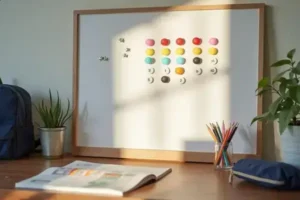
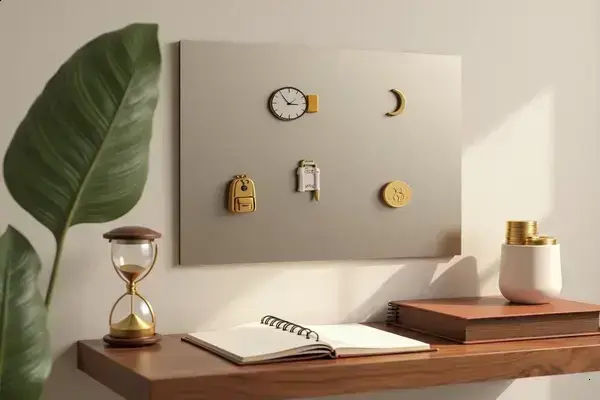
Picture the 7 a.m. scramble: shoes lost, cereal spilled, clock racing. Imagine a kids daily routine chart printable on the fridge—clear icons, fewer standoffs. Two minutes to scan, then go. It feels almost… calm.
When days have no clear rhythm, every task turns into a debate—and tension lingers. You pay in tears, tardy fees, and nagging guilt. According to the American Academy of Pediatrics, predictable routines build self‑regulation, improve sleep, and make transitions smoother for kids and parents alike.
By the end, you’ll have a ready‑to‑use chart, age‑smart visuals, and scripts to involve your child—plus ways to handle curveballs gracefully. We’ll walk through a printable template, co‑creation steps, and backup plans, with the kids daily routine chart printable front and center. Ready to trade chaos for calm? Let’s start where it matters most.
Why Routines Work: What Science And Pediatricians Recommend
Your child’s brain loves patterns—predictable cues lower stress and make decisions easier. So why do routines calm chaos so fast while also building independence?
Here’s the thing: routines act like external scaffolding for executive function. Fewer choices, fewer debates, smoother transitions. The American Academy of Pediatrics and the CDC both emphasize consistent sleep and meal timing because rhythm supports circadian health, behavior, and focus.
💡 Pro Tip: Anchor “non‑negotiables” (wake, meals, bedtime) to fixed time cues—alarm, natural light, or a song. Consistency reduces cortisol spikes during transitions, a point echoed by AAP guidance.
How Routines Help—At A Glance
| Mechanism | Real-World Effect | Evidence/Guideline |
|---|---|---|
| Consistent sleep window aligns melatonin | Faster bedtime, fewer night wakings | American Academy of Pediatrics; National Sleep Foundation |
| Predictable sequence reduces cognitive load | Less arguing, quicker morning exits | American Psychological Association on decision fatigue |
| Visual schedule cues executive function | Kids initiate tasks without nagging | Child Mind Institute on visual supports |
| Repetition builds habit loops | Stable behavior even on busy days | CDC behavior guidance for families |
Picture this scenario: a 6‑year‑old starts using a visual schedule and a fixed 7:30 p.m. routine—bath, book, bed. Week one is bumpy. By week two, lights out takes five minutes less, and morning transitions drop from six prompts to two.
- Routines shrink “micro-friction” in tasks like brushing teeth and packing bags.
- Visuals make the plan visible, which boosts autonomy.
- Regular meals stabilize energy, improving after‑school focus.
- Predictable bedtimes support mood and learning the next day.
Worth noting: if your child has ADHD, autism, or sleep issues, discuss personalized adaptations with your pediatrician or an occupational therapist.
And this is exactly where most people make the most common mistake—treating the chart as a command, not a tool kids help design…
Step-By-Step: Build A Daily Routine That Fits Your Family
Mornings feel rushed, evenings stretched—sound familiar? You don’t need a perfect schedule. You need a simple build that fits your real life, not Instagram.
Here’s the thing: a routine works when it’s anchored, visual, and co-created. You’ll set three anchors, draft short task lists, and practice. Expect 60–90 minutes total to build, plus a 10-minute weekly tune-up.
What You’ll Need
- Printed or laminated routine chart (dry-erase friendly)
- Simple icon stickers or magnetic picture tiles
- Dry-erase marker and small timer
- Color dots for each child (optional)
- Small reward tokens or checkmarks (process-based)
The Build — Step By Step
- Set Your Anchors (10 min): Choose fixed points—wake time, dinner start, lights-out. Use 20–30 minute windows to allow flex while preserving rhythm.
- Map Three Blocks (15 min): Morning, after-school, bedtime. List 3–5 action tasks each (e.g., “Brush teeth,” “Pack backpack”). Keep verbs clear and under seven words.
- Co-Create With Your Child (15 min): Let them pick icons and order tasks. Offer two choices max per step—choice architecture cuts pushback and builds ownership.
- Design The Visual: Place the chart at eye level. Use checkboxes or movable magnets to show progress. Time-block with gentle cues, not rigid minutes.
- Rehearse Once: Do a weekend walkthrough. Use a timer beat for transitions—one sound = switch tasks, two = wrap up.
- Reinforce Wisely: Praise effort and sequence, not speed. Use small privileges (story pick, music choice) instead of sugary rewards.
- Review Weekly (10 min): On Sunday, tweak one friction point. Track two metrics: time to “out the door” and number of prompts.
💡 Pro Tip: Anchor tasks to events (“after breakfast, shoes”) rather than the exact minute. Harvard Center on the Developing Child notes event-based cues better support working memory and inhibitory control in young kids.
In practice: a parent names Maya set 7:00 wake, 6:00 dinner, 7:45 lights-out. After two rehearsals, prompts dropped from eight to three. The morning checklist stayed at five items—no more.
Picture this scenario: backpack by the door, magnet slides right after each task, timer chirps softly—your child moves next without you repeating yourself. What actually works might surprise you…
Visual Routine Charts By Age: Preschool, Early Elementary, And Tweens
What should a visual chart look like for a 3‑year‑old versus a 10‑year‑old? The answer isn’t “more rules.” It’s smarter visuals—matched to how kids process cues at each stage.
Here’s the thing: preschoolers read pictures, early elementary kids bridge icons to simple text, and tweens thrive on checklists tied to outcomes. The American Academy of Pediatrics underscores predictable routines for regulation, while CASEL highlights self‑management—visuals translate both into daily action kids can own.
Age-Specific Visuals At A Glance
| Age Group | Best Visuals | Design Tip |
|---|---|---|
| Preschool (3–5) | Large icons, real‑life photos, color blocks | One row sequence; 3–5 steps max; no clock times |
| Early Elementary (6–8) | Icons + short words, simple timers | Two rows (AM/PM); 4–6 steps; event‑based timing |
| Tweens (9–12) | Compact icons + checkboxes, mini‑goals | Checklist per block; 6–8 steps; time windows |
In practice: a preschool chart shows “shirt, toothbrush, shoes” in big pictures—three tiles only. A 7‑year‑old’s board splits morning and bedtime with icon + one word. A 10‑year‑old’s version is a slim checklist with a 7:00–7:30 window and a final “bag by door” cue.
- Preschool: Use sturdy magnets, one task per tile, and a left‑to‑right flow. Celebrate the sequence done—not speed—to reduce pressure.
- Early Elementary: Pair icons with 1–2 words and a sand timer. Add a “done” lane so kids slide tiles over—visible progress fuels motivation.
- Tweens: Shift to outcomes: “ready by 7:30,” “device docked by 8:30.” Include a small weekly goal and one self‑selected task for buy‑in.
💡 Pro Tip: Keep the total item count age‑appropriate: 3–5 for preschool, 4–6 for early elementary, 6–8 for tweens. The Child Mind Institute notes that shorter, predictable chains boost follow‑through.
Picture this scenario: three boards on one wall—big bright icons for your youngest, icon‑word pairs for your second grader, and a sleek checklist for your tween. And this is exactly where most people make the most common mistake—designing for kids, not with them…
Make Kids Co-Creators: Motivation, Choice, And Positive Ownership
Tired of power struggles over shoes or screens? Ownership beats obedience. When kids help shape the plan, they defend it—because it’s theirs, not yours.
Here’s the thing: co-creation taps intrinsic motivation. Self-Determination Theory (University of Rochester) says autonomy, competence, and relatedness drive follow-through. Harvard Graduate School of Education echoes this—choice within limits builds real self-management.
Motivators That Build Ownership
| Motivator | Best Use | Watch-Out |
|---|---|---|
| Choice (order, icon, music) | Daily tasks that need buy-in | Too many options = overwhelm; offer 2 choices |
| Privileges (song pick, story pick) | Short-term, process-based reinforcement | Keep immediate; avoid bargaining spirals |
| Token economy (simple points) | Building streaks and routines | Phase out fast to protect intrinsic drive |
Language That Sparks Buy-In
- “Which do you want first—teeth or shoes?” (guided choice)
- “Show me your plan for the next two steps.” (competence)
- “When the backpack’s by the door, we play the song.” (clear contingency)
- “You moved all five tiles—tell me how you did it.” (effort praise)
In practice: you invite Sam, 8, to reorder the evening chart. He chooses “snack → homework → play → shower → book.” You add one privilege—he picks the bedtime song if all tiles slide right. Within a week, prompts fall from seven to four, and he reminds you about the song.
💡 Pro Tip: Use autonomy-supportive cues like “You can” and “Here’s your choice” instead of commands. The American Psychological Association notes that autonomy-supportive language increases internal motivation and persistence in school-age children.
And honestly? Kids spot performative choice. Make it real: two options you can live with, visible progress, and quick feedback. But there’s one detail most parents completely overlook until it’s too late—what to do when the plan blows up on a messy day…
When Life Disrupts The Plan: Flexible Strategies That Keep You On Track
Life happens—traffic, fevers, last‑minute emails. The routine isn’t broken; it just needs flex points. You’ll keep the anchors and run the “minimum viable routine.”
Here’s the thing: sequence beats the clock when days go sideways. Use time windows, trim non‑essentials, and lean on visual cues. Your printable routine chart becomes a menu—Plan A or Plan B—without losing structure.
💡 Pro Tip: Write two “if‑then” lines right on the chart. Example: “If bedtime starts after 8:15, then we skip TV and do bath → brush → book.” Research on implementation intentions (Peter Gollwitzer) shows pre‑decisions reduce stress when plans derail, and the American Academy of Sleep Medicine favors stable sequences over exact minutes.
Quick Decision Guide
| Disruption | Flexible Swap | Keep This Anchor |
|---|---|---|
| Overslept 30 minutes | Drop playtime; combine outfit + breakfast | Backpack by door before shoes |
| Activity runs late | Short shower; 1 book only | Lights‑out window (e.g., 8:15–8:45) |
| Travel/time‑zone shift | Move bedtime by 15 min/night | Same bath → brush → book sequence |
| Low‑energy/sick day | Quiet play instead of homework | Hydration + meds cues at meals |
| Parent work call | Snack bin + timer for independent play | Dinner start window (e.g., 6:00–6:30) |
- If school bus is late, then we skip TV and prep lunch for tomorrow.
- If homework takes over 30 minutes, then we pause at 25 and finish after dinner.
- If sibling conflict starts, then both kids pick one calm task from the chart.
- If bedtime slips, then we remove screens and keep the three‑step wind‑down.
In practice: soccer ends at 7:25, everyone’s hungry, and nerves are fried. You announce Plan B—snack plates, quick wash, brush, one book. The visual schedule slides right; the song cue still plays; lights are out by 8:40. No lectures—just flow.
The truth is, resilience beats perfection. With windows, sequences, and clear if‑then rules, your family stays on track even when days don’t. Once this is in place, the rest of the routine falls into place naturally.
Calmer Days With Visual Routines
You’ve got the why, the how, and the fit. Routines calm minds, step-by-step builds work, and visuals must match age—with kids co-creating the plan. If you take just one thing from this guide, let it be: consistency anchored to a few daily cues beats perfection. Use your kids daily routine chart printable as a living tool—clear, flexible, and truly theirs.
Before, mornings dragged and nights stretched—too many reminders, not enough traction. Now you can anchor wake, dinner, and lights-out, use icons that fit each child, and switch to Plan B without stress. Fewer standoffs. More follow-through. Real progress you can feel.
Which anchor—wake, dinner, or lights-out—will you lock in first this week? Tell us in the comments!

About the Author: Stephanie Lynn Barrett is a homeschooling mom, educational writer, and the founder of this blog — built for parents who want to give their children the best possible learning experience at home without burning out in the process.
After years of homeschooling her own children, testing every curriculum approach, building and rebuilding daily schedules, and creating hundreds of hands-on activities from scratch, Stephanie realized that most of the resources available online were either too complicated, too expensive, or too generic to be genuinely useful for real families with real kids.
So she started creating her own — practical lesson plan templates, age-appropriate activity ideas, printable routine charts, and honest curriculum guides designed for parents who are figuring it out as they go.
Stephanie is not a certified teacher or child psychologist — just a dedicated homeschooling parent who has spent years in the trenches, learning what works and what doesn’t, and turning every hard-won lesson into content that saves other parents time, stress and second-guessing.
Every article on this site is researched using trusted educational sources including the American Academy of Pediatrics, the American Library Association, the Home School Legal Defense Association, and the American Psychological Association — so you always get guidance that is practical, age-appropriate and grounded in real child development research.
When she’s not writing or planning next week’s lessons, Stephanie is testing new sensory play ideas with her youngest, hunting for the perfect read-aloud for her oldest, and convincing her family that yes, math can actually be fun.